
Partnerships that close loops
Relational trust needs an operating agreement.
The Open Table partners with treatment, recovery housing, workforce, employer, food, media, education, faith, funding, and community organizations when roles, handoffs, data, owners, and review are clear.
Partnership development
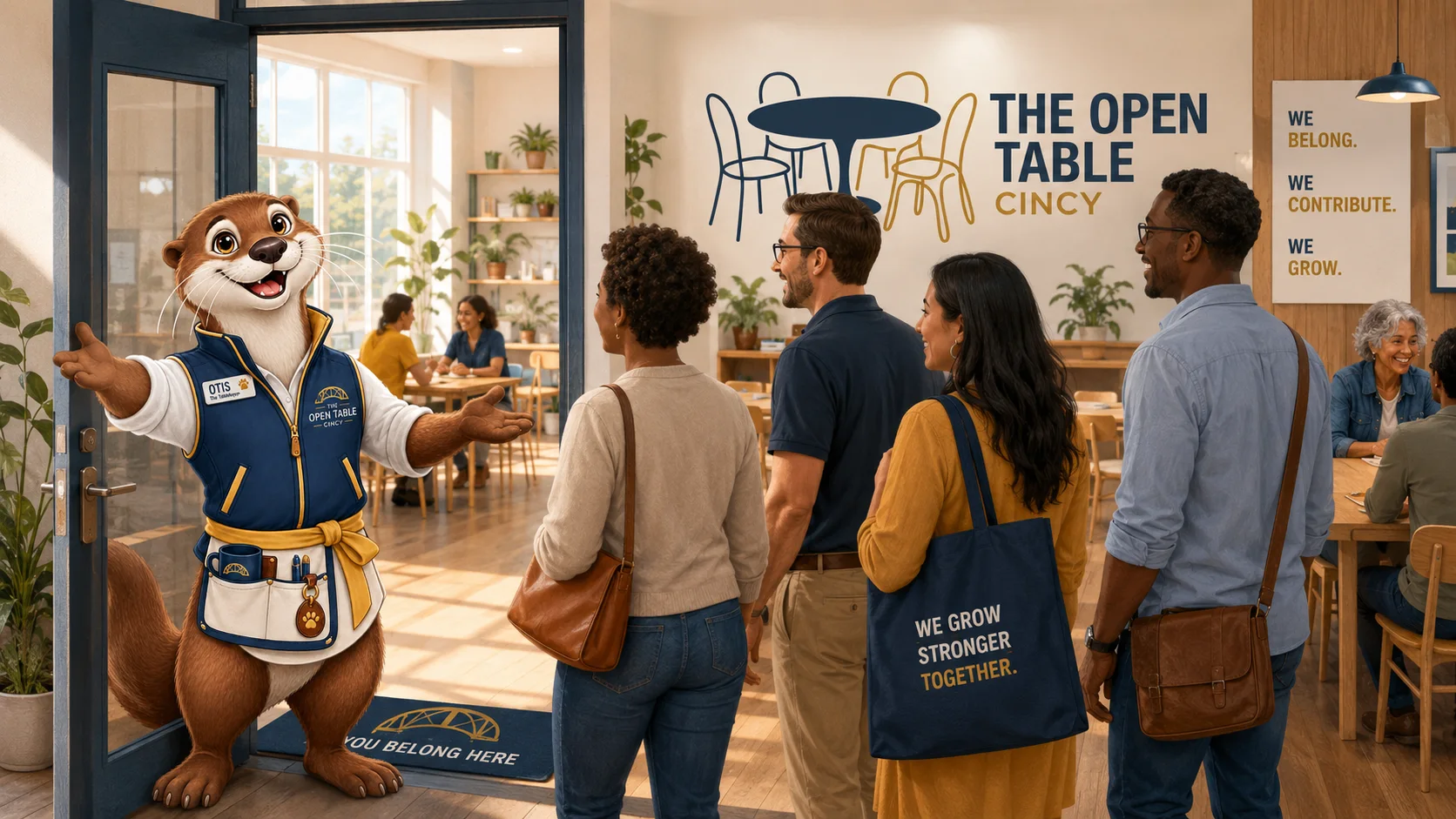 Concept visualization
 Partnership pathways
Choose the lane that matches the work.
Referral and re-engagement
Warm handoffs, no-drop follow-up, discharge-to-community connection, housing and practical navigation, and partner feedback.
Workforce and employers
Candidate readiness, placements, work-based learning, supervisor communication, retention support, and employer advisory input.
Training and quality
Staff onboarding, documentation, ethics, scope, supervision, quality readiness, mock audits, and workflow support.
Food and hospitality
Partner meal agreements, sponsor-backed community meals, meeting food service, culinary practice, and market-house support.
Media and storytelling
Creative services, educational content, ethical storytelling, event coverage, publications, and shared campaigns.
Community and investment
Faith and neighborhood engagement, volunteer teams, sponsorship, grants, in-kind resources, facilities, and strategic collaboration.
The partnership sequence
From good conversation to governed collaboration.
Explore
Clarify the problem, population, desired result, current capacity, and why this partnership is needed.
Define
Name the work, lane, owners, roles, eligibility, boundaries, deliverables, dates, budget, insurance, and source records.
Protect
Resolve privacy, releases, data sharing, consent, confidentiality, brand use, safety, and escalation.
Pilot
Start with a limited cohort, service line, event, training, or referral pathway that can be measured.
Review
Examine source evidence, partner experience, outcomes, drift, incidents, finances, and corrective actions.
Renew, revise, or close
A partnership continues because the evidence and mission fit support it—not because everyone liked the kickoff meeting.
Minimum partnership standard
What must be known before launch.
Required clarity
- Named operational owner for each organization
- Scope, deliverables, timeline, and completion evidence
- Payment, reimbursement, in-kind, or grant responsibility
- Referral and data-sharing rules
- Safety, incident, complaint, and escalation pathways
- Review cadence, renewal, termination, and record-retention terms
Common failure patterns
- Using friendship as a substitute for a written scope
- Making a referral without confirming receipt or engagement
- Sharing more personal information than the work requires
- Launching before staffing, insurance, site, or supervision is ready
- Allowing one organization to quietly absorb all the work
- Keeping a partnership alive after the evidence says it is not functioning
Partnership inquiry
Tell us the problem, the people affected, and the concrete result you want to build together.
Do not send confidential client records or protected health information. This form begins due diligence; it does not create an agreement.